Introduction
Gestational diabetes is a type of diabetes that develops during pregnancy. It affects how your body uses sugar. Because it can impact both mother and baby, knowing about gestational diabetes is important for a healthy pregnancy. Early detection and proper care help lower risks. In this blog, you will learn what gestational diabetes is, its symptoms, and how to manage it for a healthy pregnancy.
What is Gestational Diabetes?
Gestational diabetes happens when your body cannot make enough insulin during pregnancy. Insulin is a hormone that helps control blood sugar. During pregnancy, your body goes through many changes. Sometimes, these changes make it harder for insulin to work well. As a result, blood sugar levels can rise. Usually, gestational diabetes appears in the second or third trimester. Most women do not have diabetes before pregnancy. However, this condition can still develop. The good news is, with the right care, most women have healthy pregnancies and babies.
Common Symptoms and Risk Factors
Often, gestational diabetes does not cause clear symptoms. Still, some women may notice:
However, many women do not feel any different. Because of this, regular screening is important. Several risk factors can raise your chances of developing gestational diabetes. For example, you may be at higher risk if you:
Even if you do not have these risk factors, you can still develop gestational diabetes. Therefore, regular check-ups are important for every pregnant woman.
How is Gestational Diabetes Diagnosed?
Doctors usually test for gestational diabetes between 24 and 28 weeks of pregnancy. Sometimes, testing may happen earlier if you have risk factors. The most common test is the oral glucose tolerance test (OGTT). During this test, you drink a sweet liquid. Then, your blood sugar is checked at set times. If your blood sugar is higher than normal, you may be diagnosed with gestational diabetes. Early diagnosis helps you and your doctor make a plan for a healthy pregnancy.
Treatment Options and Management
Managing gestational diabetes is important for your health and your baby’s health. Treatment often includes:
Most women can control their blood sugar with diet and exercise. However, some may need medicine. Your doctor will guide you on the best plan. Regular check-ups help track your progress and keep you and your baby safe.
Lifestyle Tips for a Healthy Pregnancy
There are many ways to support a healthy pregnancy when you have gestational diabetes. For instance, you can:
Additionally, always follow your doctor’s advice. These steps help keep your blood sugar in a healthy range and support your baby’s growth.
Prevention and Monitoring
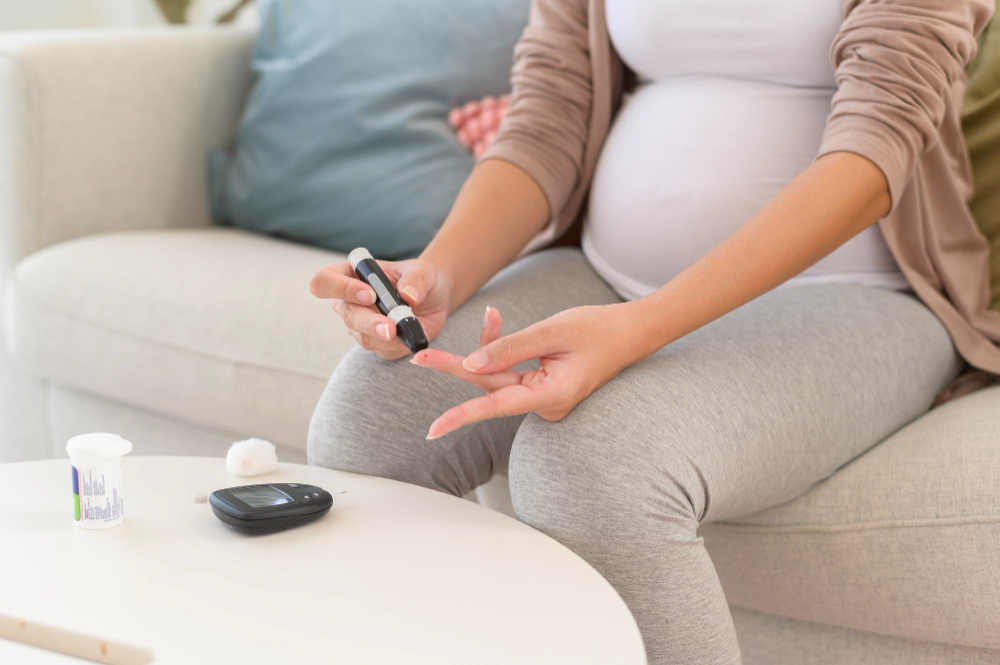
While you cannot always prevent gestational diabetes, some steps may lower your risk. For example, maintaining a healthy weight before pregnancy can help. Eating a balanced diet and staying active also support your health. During pregnancy, regular blood sugar checks are important. Your doctor may ask you to monitor your blood sugar at home. This helps catch any changes early. With regular monitoring, you and your doctor can make quick adjustments if needed.
When to Consult Your Doctor
It is important to stay in touch with your healthcare provider during pregnancy. You should contact your doctor if you:
Remember, early action can help prevent problems. Your doctor can answer your questions and adjust your care plan as needed.
For the best care, consult a healthcare specialist at SB Allergy and Gynae Center for personalized advice on gestational diabetes during pregnancy.